

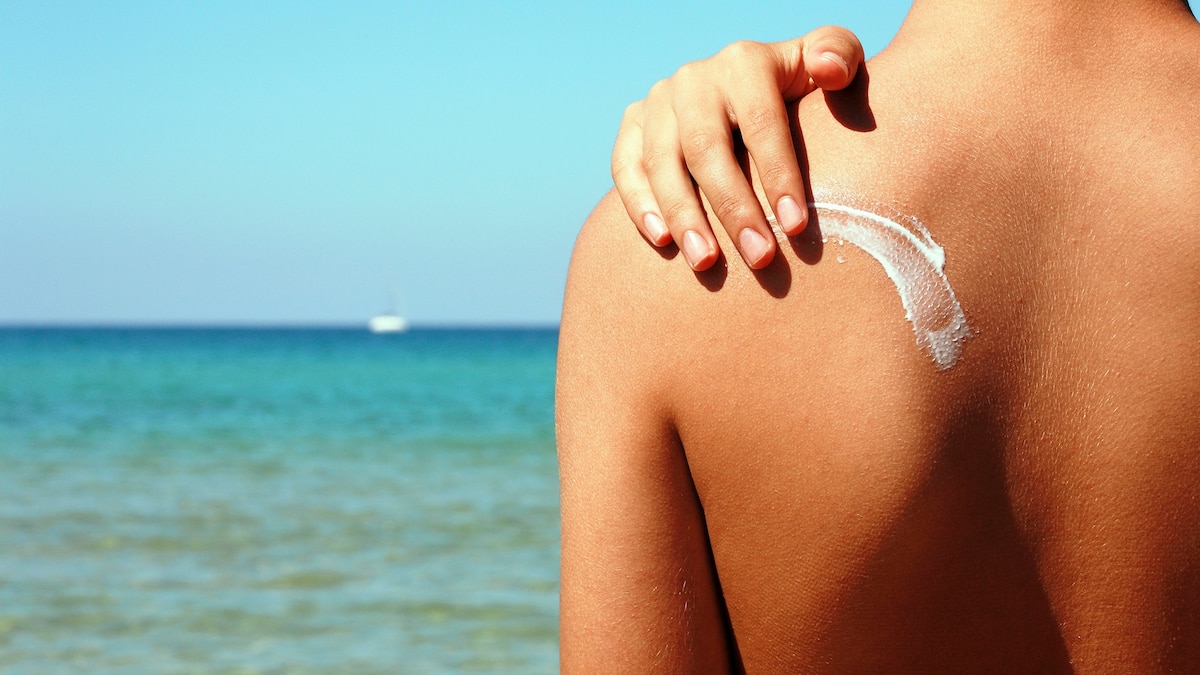
National Geographic published a feature on June 23 exploring how South Korea became the global leader in sunscreen innovation. Reporter Kelly Kasulis visited Kolmar's UV Tech Innovation Laboratory in Seoul, where researchers are working on scalp sunscreens, optical refraction UV blocking, and formulas that adapt in real time to UV intensity and humidity. The piece also draws on researchers at Amorepacific, Sungshin Women's University, Seoul National University, and dermatologist Henry Lim of Henry Ford Hospital.
Noedal founder and CEO Gordon Li was interviewed for the story on the regulatory side of the question: why the sunscreens Americans keep hearing about cannot simply be sold in the US.
The point we wanted to make
A common misreading of the US sunscreen situation is that the FDA has looked at the modern UV filters used across Korea and Europe and judged them unsafe. That is not what happened. The FDA regulates sunscreens as over-the-counter drugs rather than cosmetics, and its framework demands a different kind of evidence than European or Korean regulators accept. Much of the safety data generated abroad over the past two decades simply cannot be used in a US application.
"It's not necessarily that the FDA regards these UV filters as more dangerous."
As Gordon told National Geographic, the difference is a higher burden of proof for manufacturers and brands who want to sell in the US, not a finding of danger. He also pointed to a second-order effect that gets less attention: the newer filters are what make hybrid formulas possible. Korean and European researchers have learned to build UV protection into products that also carry skincare benefits, and many of those beneficial compounds do not combine well with the older filters permitted in the US. The filter gap is not just an SPF gap. It is an innovation gap.
The article lands at a meaningful moment. In June, the FDA approved bemotrizinol (BEMT), the first new UV filter authorized in the US since 1999 and one of the workhorse ingredients in modern Korean and European formulas. We wrote about what that approval means for Korean brands, and why some may now be able to enter the US with their original formulas, in our earlier post on the BEMT final order.
Why this matters to the brands we work with
The National Geographic piece confirms something our clients already know from their review sections: American demand for Korean sunscreen is real, durable, and built on product experience rather than hype. Only about 13 percent of Americans wear sun protection daily, and the texture and feel of legacy US formulas is part of the reason. The brands that can bring authentic Korean SPF to the US market, compliantly, are walking into demand that has been accumulating for a decade.
That is the work Noedal exists to do. We help K-beauty brands and manufacturers navigate US and EU regulatory requirements, from MoCRA and OTC drug compliance to claims review and market entry strategy, so the products that earned their reputation in Seoul can reach the consumers asking for them abroad.
Planning a US launch?
Talk to the team National Geographic called on to explain US sunscreen regulation. We will assess your product's US market path, including whether your sunscreen can enter without reformulation.
Get in touch